


AI can reply. A real therapist can support you.
AI can guide reflection, but only a caring professional can understand your story and help.
5 reasons why a human therapist is and will be irreplaceable
1
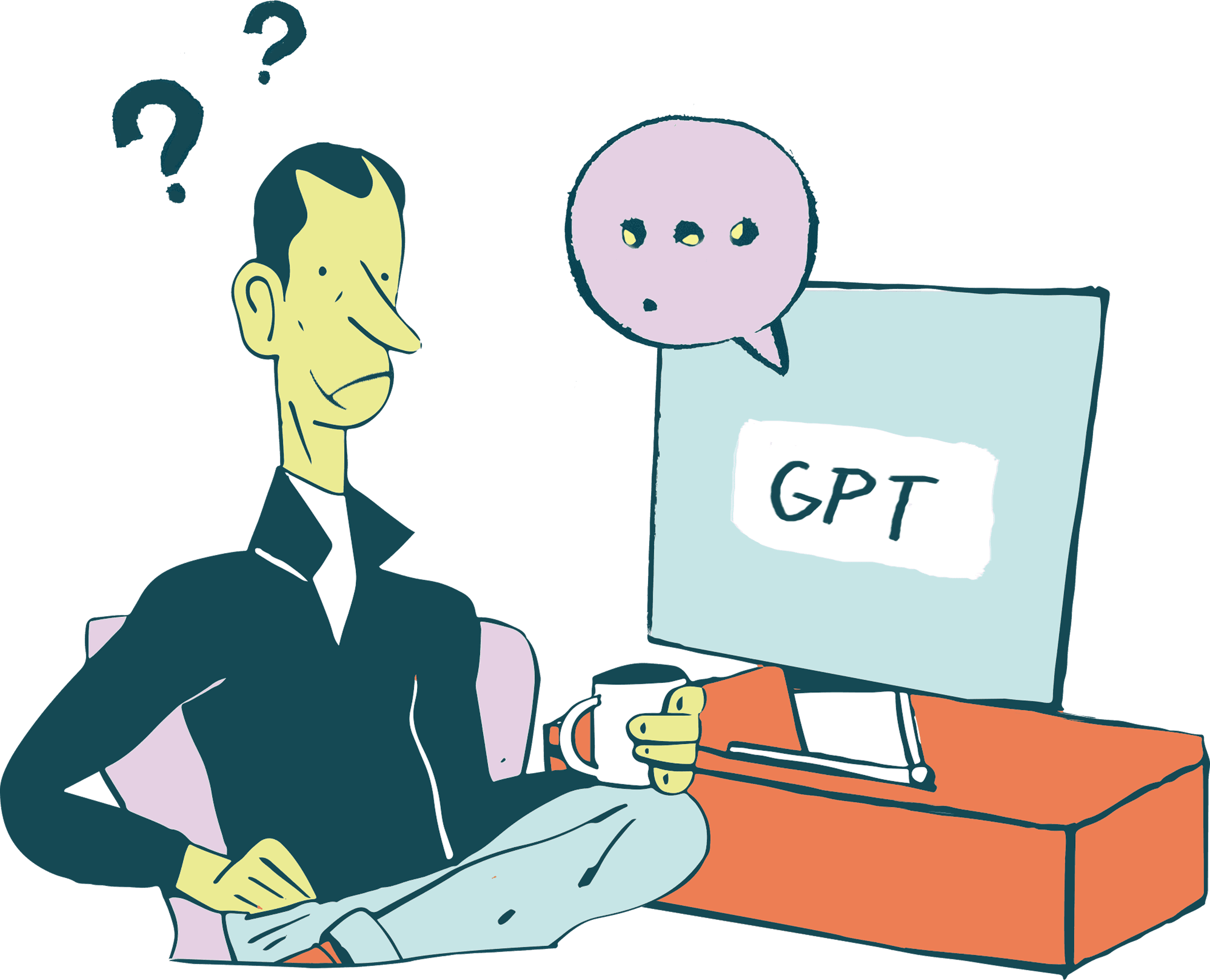
Humans understand context. AI understands text
AI works with what you type. A therapist works with your life. They can see the unspoken: family patterns, culture, past experiences, relational dynamics, and emotional subtleties. They distinguish between minor stress and deeper issues that require real intervention.
2
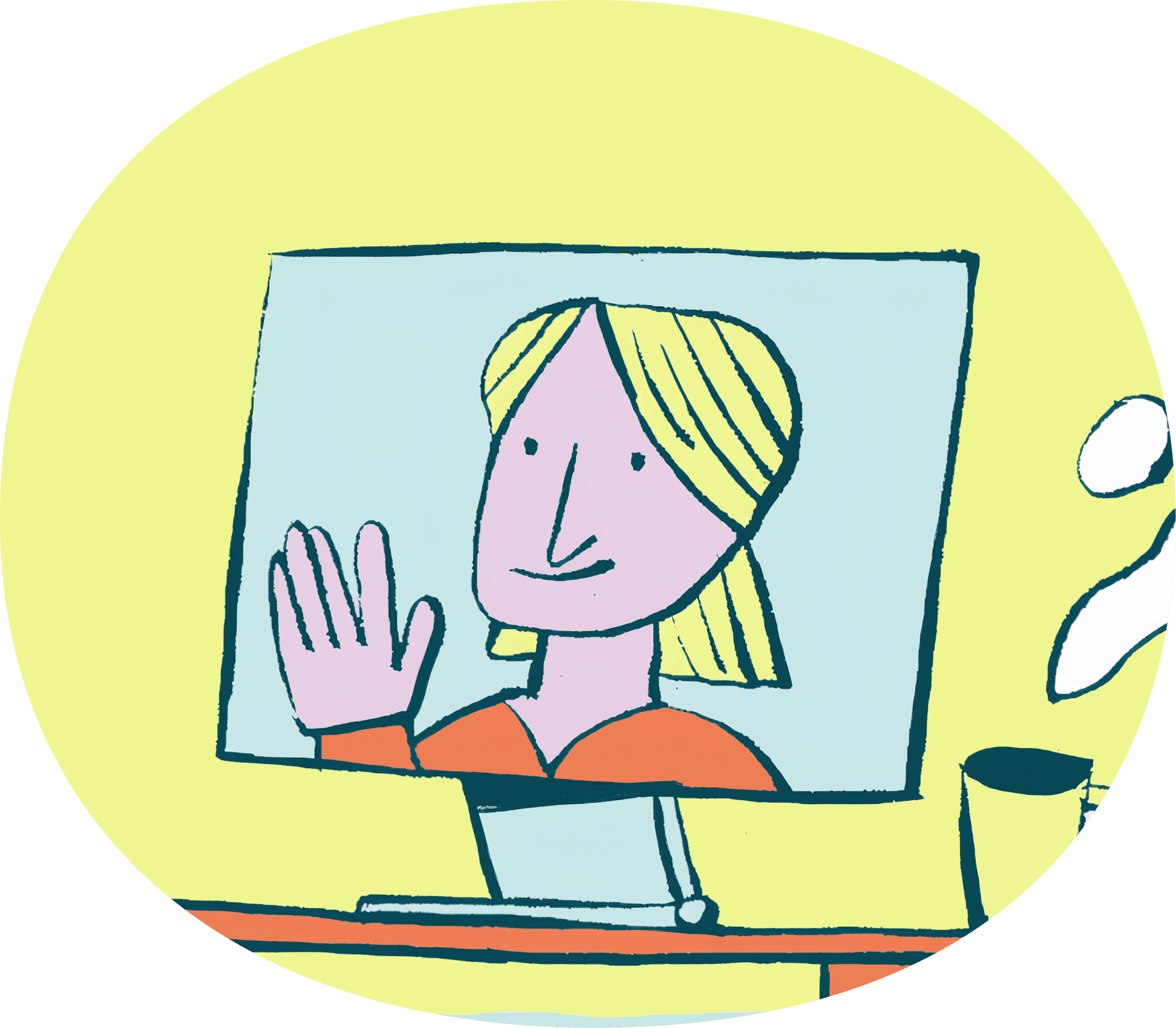
Human therapist can guide you through complex emotions and crisis
AI cannot accurately evaluate the severity of your distress, especially in moments of emotional overwhelm. A therapist responds with empathy, flexibility, grounding techniques and, if necessary, crisis support. This level of attunement is something technology simply cannot and must not replace.
3
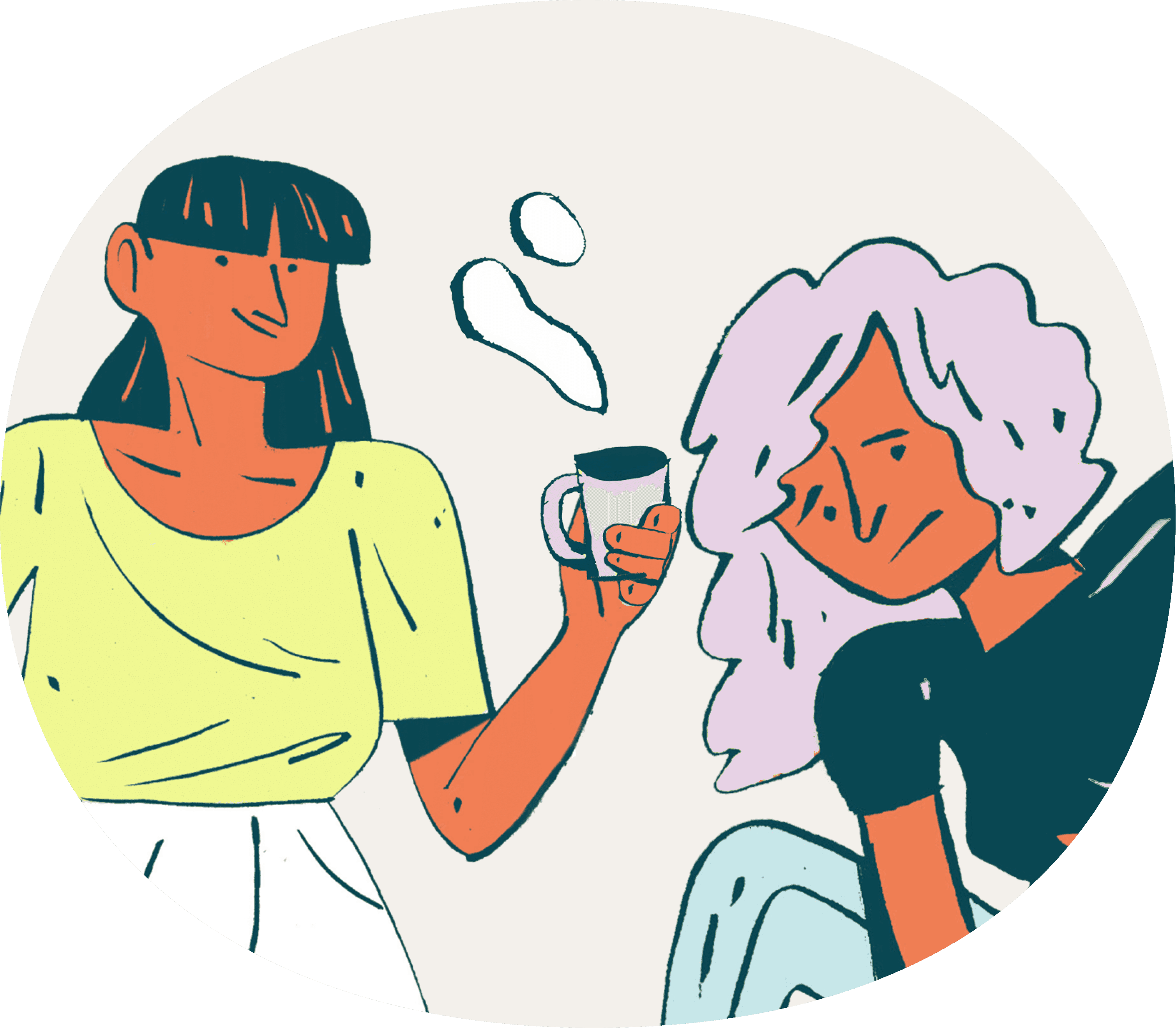
Therapy is a relationship – not a tool
The healing effect of therapy is based on connection, trust, and safety. AI can offer prompts and exercises. But it cannot build a relationship, mirror your emotions, or hold space for your vulnerability.
4
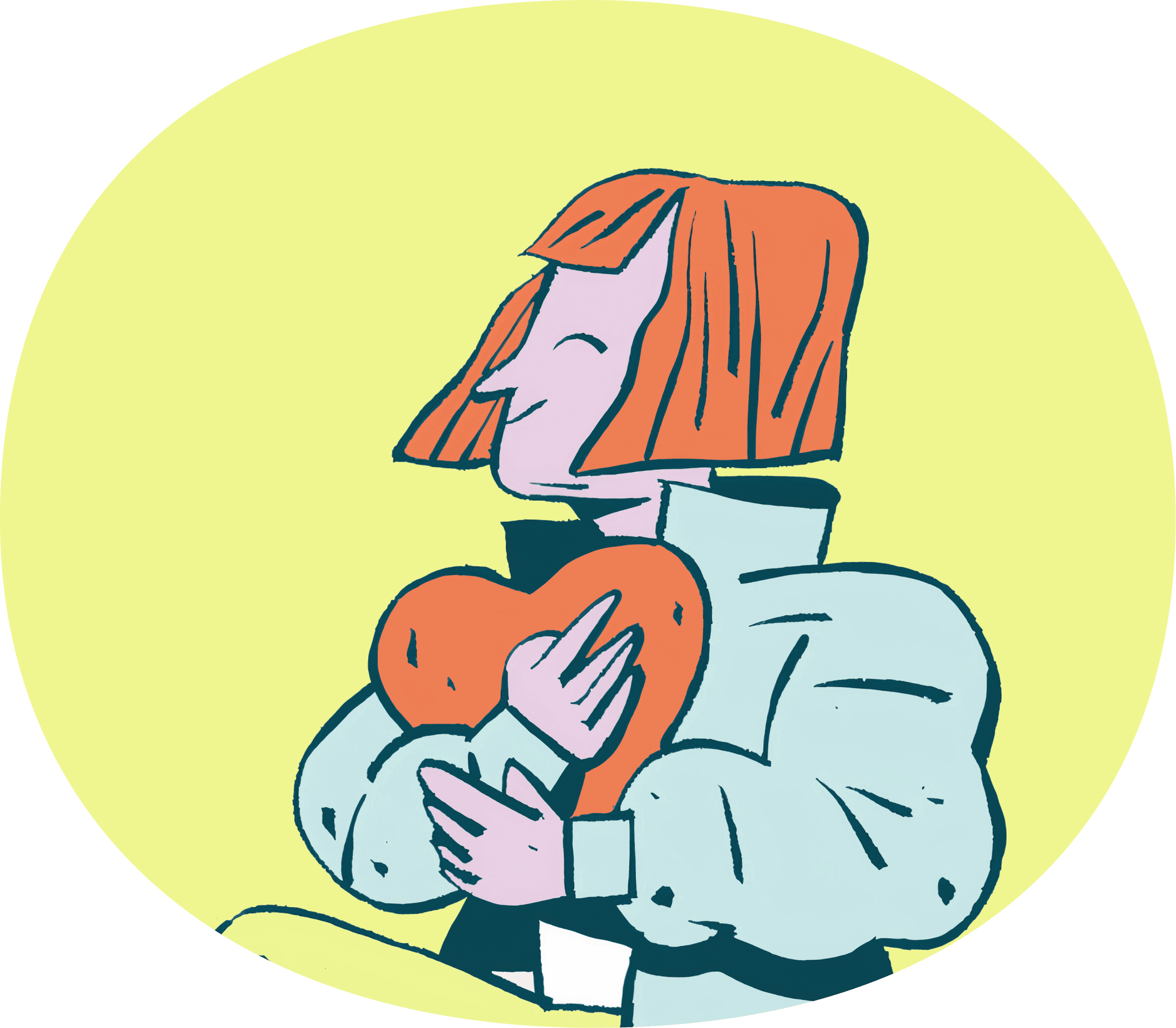
Humans notice nuances AI will always miss
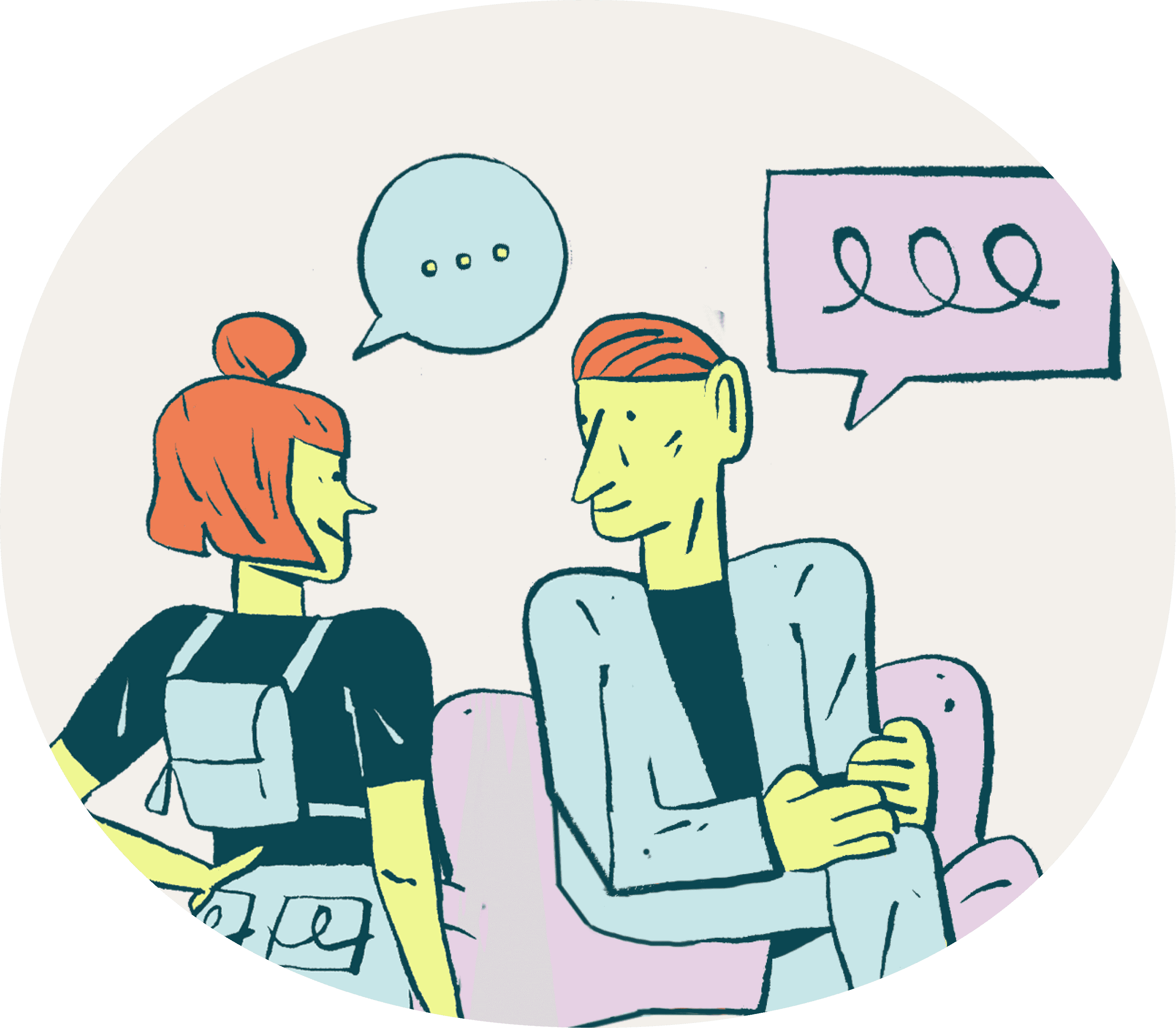
Therapists work with tone of voice, body language, silence and avoidance, micro-expressions or emotional incongruence. These signals often reveal more than words.
AI doesn’t see them and therefore cannot respond to what you’re really feeling.
5
Professional training, ethics, and accountability matter
Therapists operate within strict ethical frameworks, supervision, and continuous education.
AI tools may be helpful, but they do not take responsibility, cannot guarantee safety, and do not have professional oversight, which is in the field of mental health a necessity, not an option.
How AI tools can complement your therapy?
They encourage reflection between sessions.
They can help you with procrastination and motivation.
They help you notice patterns and emotional changes.
They can be used to track your progress.
They can help with universal soothing techniques for anxiety and panic attacks.
But always within safe boundaries. More detailed guidance is available in our article.
In the moments that truly matter, human support makes the difference
If you’re feeling overwhelmed, stuck, or simply need someone who understands you beyond the surface, talking to a real human being is the safest and most healing step you can take.
Explore options


