


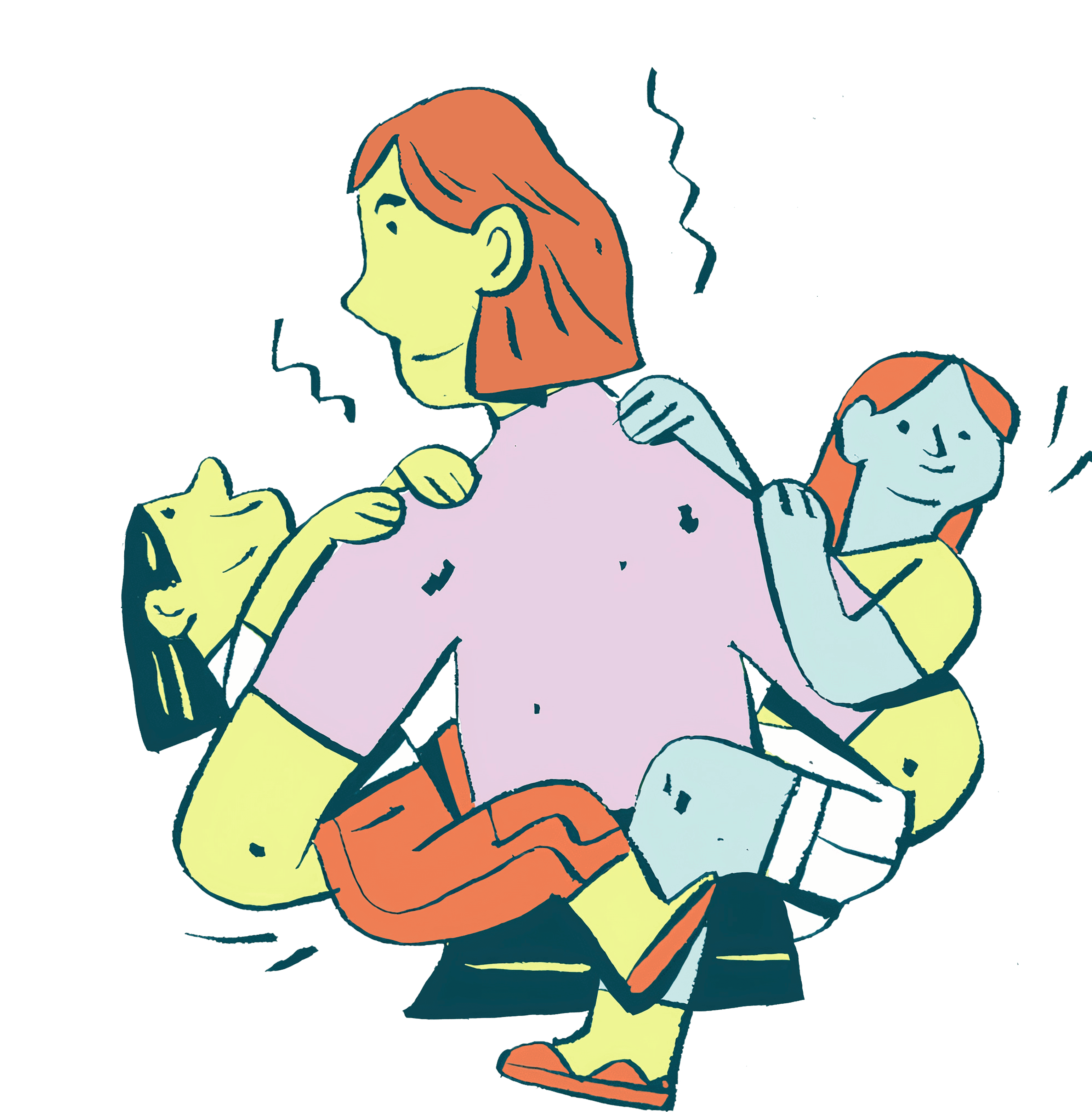
Burnout syndrome in women and mothers: how to recognise it and find a way out?
They call it maternity leave, but it's really nothing like a holiday. And when it ends, things don't necessarily get better. During the day you're at work, and in the afternoon you jump back into another round of household duties. And that often applies even if you don't have children.
Do you also feel like you've been running on empty for a long time? That it's simply too much for one pair of shoulders?
You don't have to be a top executive to experience burnout syndrome. Let's look at how to recognise burnout and find a way through it.
What is burnout? No, it's not just a career thing
You may have heard that burnout syndrome mainly catches up with us at work. We start drowning in an endless sea of deadlines, spreadsheets and performance pressure. Eventually, work stops making sense and joy is replaced by chronic stress that one day becomes simply unbearable.
But burnout is really just another word for deep exhaustion. And it can catch up with us anywhere we've been missing rest for a long time. Our bodies can't tell whether the stress comes from a demanding boss or from constantly caring for a family at the expense of our own wellbeing.

Parental burnout actually affects up to 20% of parents
That's one in five parents in Czechia who have already burned out or are dangerously close to it. Caring for children and a home is simply a full-time job. Just unpaid, invisible, and on top of that, unappreciated. Even researchers took a while to recognise this -- they only started looking into the topic in earnest in 2017.
While society is fairly understanding of work-related burnout, we're often ashamed of parental burnout. After all, we consciously chose to have children. And of course we want the best for them. So we clean, cook, pack lunchboxes, drive them to activities, plan outings... And then somewhere on social media we hear that we're doing this or that all wrong.
Burnout hits women most often. And not just those on maternity leave...
Parental burnout doesn't discriminate -- if both parents are fully involved in care, both women and men are equally at risk. But the reality in most households is still unequal.
It's most often mums who, according to studies, carry 70% of household responsibilities and 65% of childcare. And that's regardless of whether they're "just" on maternity leave or jumping into a second shift at home after an eight-hour workday.
Interestingly, this imbalance doesn't even spare women without children.
Studies show that nearly a third of childless women burn out at work (31%), while for their male colleagues without children it's just under a quarter (23%). This is because women at work tend to be more engaged and take on extra tasks.
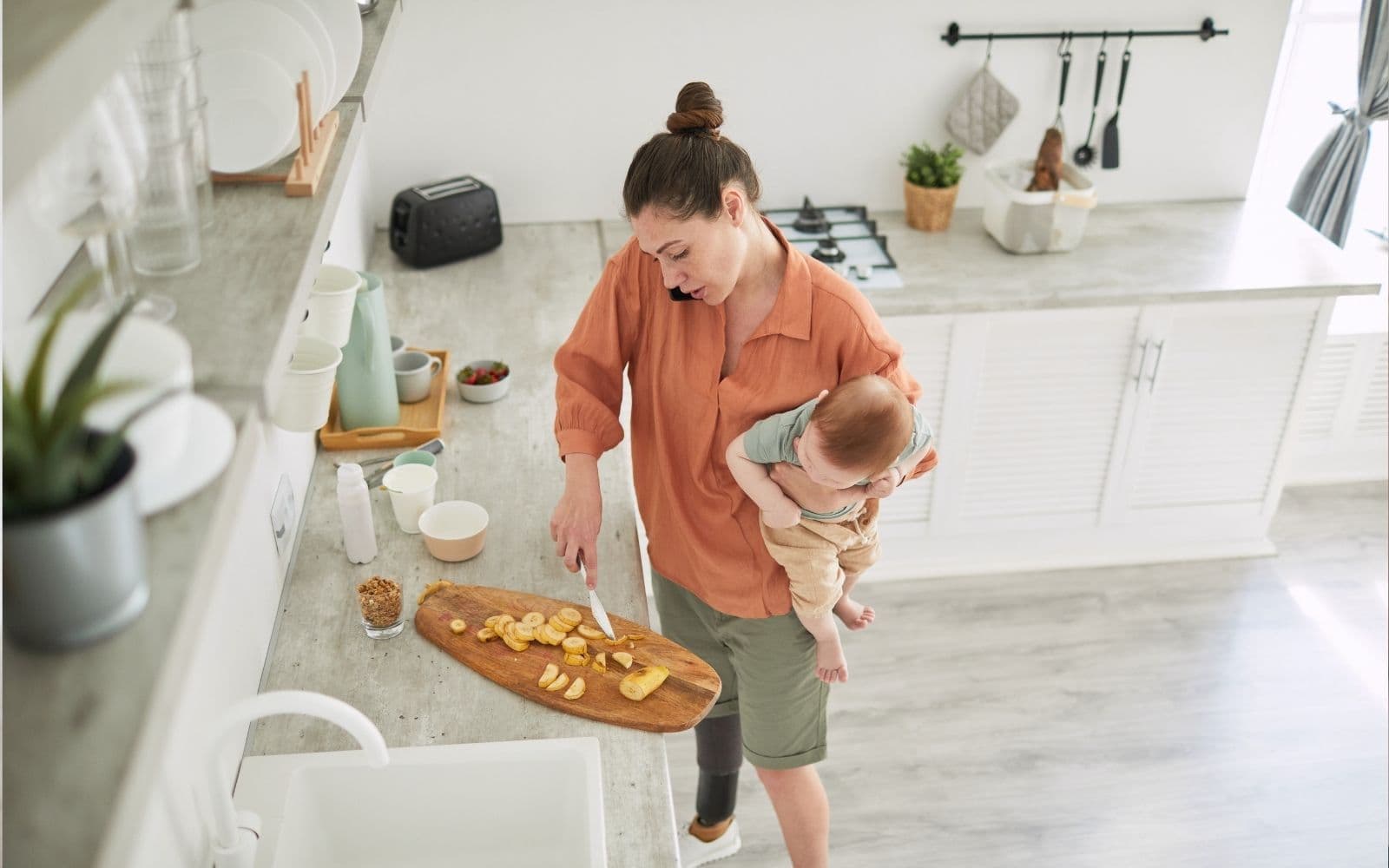
How to recognise burnout: these are the main signs
Let's take a look at how to recognise burnout in yourself early and how you can address it. Burnout often starts subtly. But the signs gradually worsen.
You may feel tired, overwhelmed or irritable. You feel like nobody appreciates you. That you've lost yourself and that "mum" is now your only identity. Every additional task suddenly feels like a superhuman effort.
Eventually you start running on autopilot and the joy drains from your days. You feel emotionally disconnected from your responsibilities. This is often accompanied by poor sleep, loss of appetite, anxiety or even depression.
Not sure if this really applies to you? Take a short test. It will help you find out whether it's "just" temporary fatigue or whether burnout is already setting in.
If you're struggling with deep exhaustion mainly from work, you can find a work burnout test here. If, however, you're experiencing long-term fatigue on maternity leave, try our following test.
Burnout test for maternity leave or parental burnout
Try to be as honest with yourself as possible. Answer these questions with YES/NO:
- Do you wake up in the morning feeling like your batteries are completely flat with zero energy for the day ahead?
- Are you losing joy in time spent with your children and looking forward to them finally falling asleep?
- Do you easily snap at small things you would have brushed off before?
- Do you lack energy for friends, hobbies and other things that used to bring you joy?
- Are you troubled by feelings of guilt and thoughts that you're not a good enough mum?
- Are you experiencing physical symptoms without an obvious cause, such as headaches, poor sleep, digestive problems or loss of appetite?
- Do you feel disconnected from the world around you and your partner, as if you're living behind glass?
- Do you feel that you're starting to feel indifference or even aversion to caring for your child, which only deepens your feelings of guilt and shame?
The more times you answered YES, the more likely it is that burnout has really caught up with you. It's not a failure and it doesn't mean you don't love your children. It means your batteries are completely flat and you need help. We'll show you what you can do for yourself.

Treating burnout: how to find a way out?
The road out of burnout doesn't run through a single hot bath or a weekend at a spa (even if both sound wonderful). It takes slower but all the more lasting changes. Here are a few steps recommended by our psychotherapists:
1. Allow yourself to be imperfect
The house doesn't always have to look like it's from a magazine and the kids don't need a hot dinner every single day. Spreading some bread now and then and leaving toys on the floor doesn't make you a bad mum.
If you feel that letting go of perfection is really hard for you, read our article on perfectionism. It will help you quiet that voice in your head that won't let you breathe.
2. Try to stop comparing yourself
When you see colleagues or influencers managing the gym, a career and baking their own bread alongside having children, it's natural to feel like you're falling behind somewhere. But that's a big trap.
What you see is only snippets, not the full picture. You don't see the grandmother babysitting, the hired nanny, or the fact that this woman privately experiences the same exhaustion as you.
3. Try to delegate more
Burnout often comes from wanting to control everything. Try easing off from time to time. Let your partner or grandmother take over some of the responsibilities. And try not to correct them when they don't do it exactly your way. Your health is far more important than perfection.
4. Give yourself small breaks
Don't wait until you have a free two hours or a whole day. Try to find at least 10 minutes a day that belong only to you. Drink your coffee in peace, sit on the balcony with a podcast in your ears or take a bath. It sounds like a small thing, but for an overloaded mind it's an emergency brake.
5. Talk about it
Naming your feelings often brings enormous relief. Especially if you feel ashamed of them or blame yourself for them. When you say out loud "I can't go on", part of that enormous weight lifts.
Open up to someone you trust. A friend, your husband, your sister. Consider psychotherapy.

Are you feeling depression, anxiety and frustration on maternity leave? It might not just be burnout
Parental burnout is enormously challenging in itself, but sometimes something more joins it. Persistent sadness, feelings of hopelessness, worry about your baby, panic attacks or dark thoughts that you're afraid to talk about.
If you're experiencing similar feelings, it could be postpartum depression or an anxiety disorder. In that case, please ask for help as soon as possible.
Book a session with a psychotherapist or call the mental health first aid line anonymously.
It doesn't mean you're a bad mum. It's just that there's more on your plate than any one person can bear. But there's always a way out.
Talk about burnout in psychotherapy
Burnout is a perfect topic for therapy. Many practitioners specialise in it directly.
At Hedepy, among a variety of verified psychotherapists, you'll definitely find the right one. To make it easier, we'll recommend the most suitable therapist based on a 5-minute test. You could have your first session in just a few days.
Thinking about therapy?
My First Therapy: How to Prepare and What to Expect

What is psychotherapy? And who is it for?
Does online therapy really work? Isn't face-to-face better?


Explore options


